Top 10 Water Meters for Accurate Measurement and Efficiency?
Water Meters play a critical role in modern water management. They accurately measure water consumption, supporting effective resource allocation. According to the American Water Works Association, approximately 10% of water metering systems are inaccurate, leading to inefficiencies. Choosing the right water meter can significantly reduce water loss and operational costs.
The demand for precise measurement is increasing. As cities grow, water conservation becomes crucial. Reports estimate that water utilities lose about 6 billion gallons per day due to leaks and inefficiencies, emphasizing the need for effective water meters. Advanced technologies, such as smart meters, have emerged, enhancing monitoring and management.
Selecting a reliable water meter is vital. Industry expertise suggests focusing on accuracy, durability, and data integration capabilities. However, there is no one-size-fits-all solution. Each location may require different specifications. The right meter can optimize water usage and ensure sustainability in our fast-changing environment.
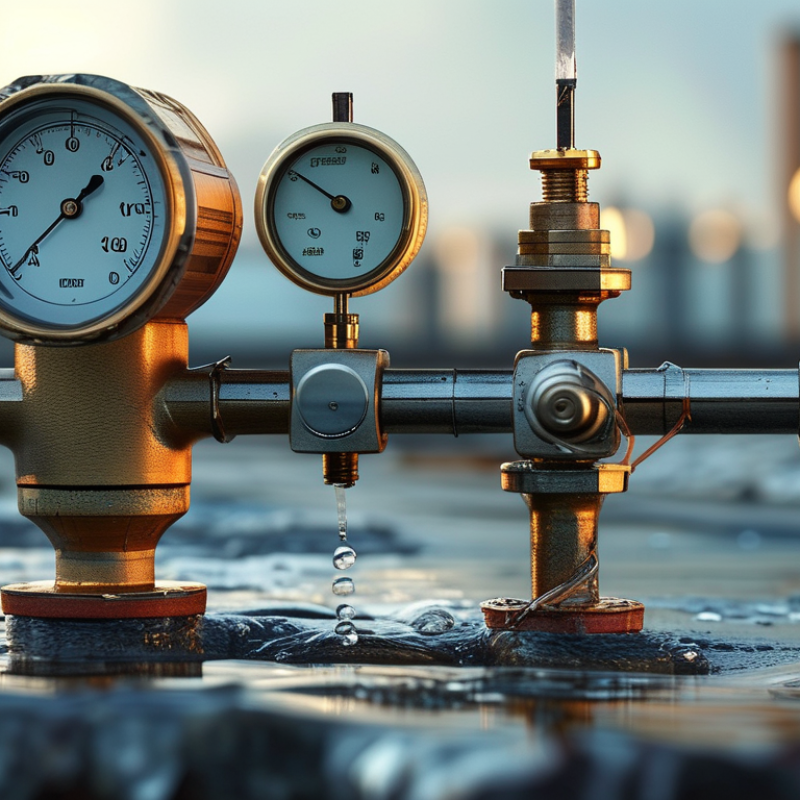
Types of Water Meters: Understanding Different Technologies and Designs
When exploring water meter technologies, it’s essential to understand the various designs available. The two primary types are mechanical and electronic meters. Mechanical meters often feature a rotating element, such as a propeller or turbine. They are favored for their simplicity and durability. These meters typically provide reliable readings but may suffer from wear over time, leading to inaccuracies.
On the other hand, electronic (or smart) meters utilize advanced measurement techniques. They often employ electromagnetic or ultrasonic technologies. According to a recent industry report, smart meters can improve measurement accuracy by up to 98%. Their ability to transmit data remotely enhances efficiency. However, installation costs can be higher, posing a barrier for some homeowners.
Each type of meter has its advantages and drawbacks. Mechanical meters may be more affordable upfront but can incur higher maintenance costs. Electronic meters deliver precise data but might not be accessible to all consumers. As the focus on water conservation grows, understanding these technologies is crucial for any water usage strategy. Making the right choice can lead to significant long-term savings and efficiency improvements.
Factors to Consider When Choosing a Water Meter for Your Needs
When choosing a water meter, several factors demand your attention. Accuracy is vital. A precise meter ensures reliable readings, saving you from overpaying or wasting water. Check the meter’s calibration standards. Look for models that have undergone rigorous testing. This reflects their trustworthiness.
Durability is also essential. Ensure the meter can withstand various environmental conditions. Consider its resistance to corrosion. Selecting a robust material will extend the meter's lifespan.
Installation ease matters, too. Complicated setups can lead to errors. Opt for designs that simplify the installation process, making it user-friendly.
Cost is another significant factor. A higher price doesn’t always guarantee better performance. Research costs versus benefits before making a decision. Some affordable options may provide excellent accuracy and efficiency.
Finally, remember to factor in your specific needs. Different applications require different specifications. Choose a meter that aligns with your particular requirements for optimal results. This thoughtful approach will guide you to a reliable choice.
Top 10 Water Meters: A Comprehensive Review of Features and Performance
When it comes to choosing water meters, accuracy and efficiency are fundamental. A water meter should provide precise measurements, ensuring that users can manage their water consumption effectively. Many metering devices are designed with advanced technologies that enhance their performance. Users often find that digital meters offer clearer readings than traditional mechanical models.
However, more features do not always guarantee better results. Some users report difficulties in data interpretation. It’s essential to consider user-friendliness when selecting a water meter. Various models come with Bluetooth connectivity, allowing remote monitoring. Yet, not every user embraces technology, leading to potential confusion.
The calibration process varies across different types of meters. Some may require frequent adjustments to maintain accuracy, which can be a hassle. Users should also pay attention to the meter’s flow range. Not all meters function optimally at low or high flow rates, which could skew results. Evaluating personal needs alongside meter specifications is crucial for making the right choice.
Installation and Maintenance Tips to Ensure Optimal Meter Efficiency
When it comes to water meters, accurate installation and proper maintenance are crucial. A study by the American Water Works Association shows that poorly installed meters can lead to inaccuracies of up to 30%. This inefficiency can cause significant revenue loss for utilities and higher costs for consumers. Ensuring that meters are installed by certified professionals can mitigate these issues.
Regular maintenance is key to ensuring optimal meter performance. Routine checks and recalibrations can help identify discrepancies early on. It’s advised that meters be serviced every five years, as research indicates that meters can lose accuracy over time. Furthermore, checking for leaks and corrosion can prevent larger system failures. The cost of neglecting these maintenance tasks can be severe, leading to poor water management and inflated bills.
Lastly, considering environmental factors is essential. Dust, temperature fluctuations, and humidity can affect meter accuracy. In fact, a report from the International Water Association suggests that environmental conditions can alter the measurement by over 15%. Therefore, ensuring proper housing and protection for meters can enhance their reliability. Regular assessments and environmental considerations work together to keep water meters accurate and efficient.
Real-World Applications: How Accurate Water Meters Improve Resource Management
Accurate water meters play a crucial role in efficient resource management. With rising global water scarcity, understanding precise consumption patterns is essential. According to a report by the International Water Association, inaccurate metering can lead to over 30% water loss in urban areas. This highlights the necessity for reliable measurement tools in our daily lives.
Implementing state-of-the-art water meters can significantly reduce wastage. These devices allow for real-time monitoring and help detect leaks promptly. A study conducted by the American Water Works Association showed that advanced metering infrastructure can save utilities millions of dollars annually. Accurate readings aid in fair billing, ensuring consumers only pay for what they use.
**Tips:** Regularly maintain your water meter to ensure accurate readings. Consider installing smart meters for enhanced monitoring. Aim to compare your usage data monthly to identify any unusual spikes in consumption. This proactive approach can lead to more sustainable water management practices.
Top 10 Water Meters for Accurate Measurement and Efficiency
| Meter Type | Measurement Accuracy (%) | Flow Rate Range (GPM) | Installation Type | Features |
| Electromagnetic | ±0.5 | 0.5 - 3200 | Inline | Non-contact measurement |
| Mechanical | ±2 | 1 - 100 | Inline | Cost-effective, durable |
| Ultrasonic | ±1 | 0.5 - 500 | Clamp-on | Wireless data transmission |
| Smart Water Meter | ±1 | 0.2 - 200 | Inline | Remote monitoring capabilities |
| Turbine | ±2 | 2 - 300 | Inline | High flow rates |
| Positive Displacement | ±1 | 0.1 - 60 | Inline | High accuracy, low flow |
| Hydraulic | ±1 | 0.5 - 100 | Inline | Versatile adaptations |
| Radial | ±1 | 1 - 1000 | Inline | Compact design |
| Venturi | ±2 | 5 - 1000 | Inline | Minimal pressure loss |
| Compound | ±1.5 | 0.5 - 300 | Inline | Dual measurement technology |




 Send Inquiry

