What Are the Top Wholesale Food Packaging Types in 2026?
Wholesale Food Packaging in 2026 will cover more than boxes and bags. Buyers are comparing formats by product protection, storage needs, shipping costs, and practical handling. Corrugated cases remain useful for bulk transport, while paperboard cartons suit many dry goods and retail displays. Flexible pouches can reduce shipping bulk, but they may not fit every product or recycling stream. Tubs, trays, glass jars, and metal cans each offer different strengths. The right choice depends on what goes inside.
This guide examines the leading wholesale food packaging types and where each one works best. It also considers moisture barriers, sealing methods, stackability, and supplier documentation. A clear specification helps buyers compare samples instead of relying on attractive catalog photos. Check dimensions, material details, and performance claims before placing a large order. Fit matters. A package that protects crisp snacks may fail with chilled, heavy, or oily foods. Sustainability deserves the same careful review: a material’s real-world recovery options can vary by location, and “greener” claims need context. There is no perfect format. That trade-off is easy to overlook when price is the main filter. By weighing product needs against operational and environmental priorities, businesses can build a more informed shortlist for 2026.
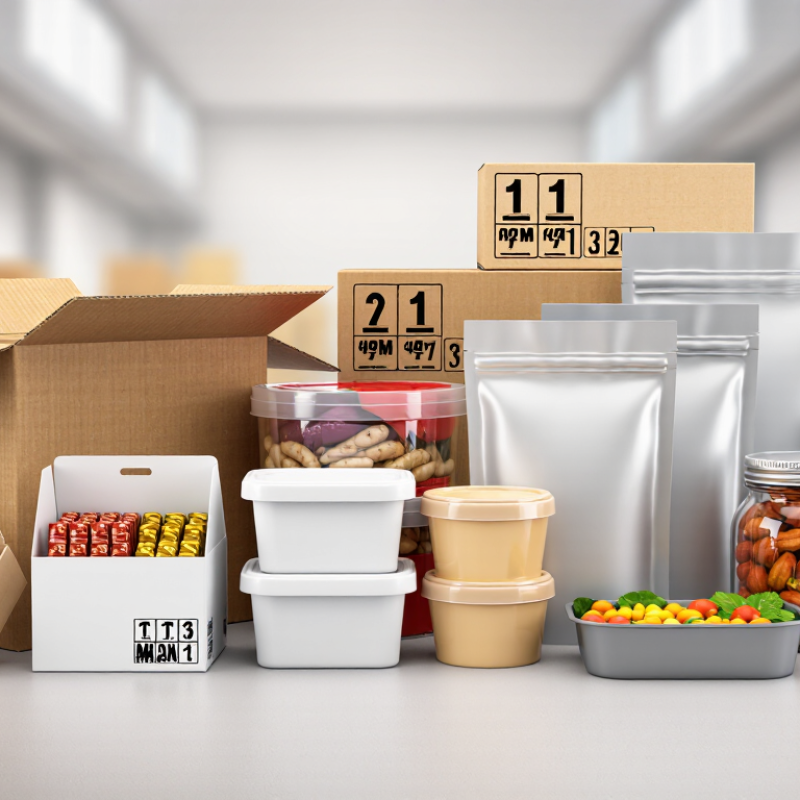
How Wholesale Food Packaging Is Classified
Wholesale food packaging is commonly classified by material, format, and intended use. Material groups include paper and board, plastics, glass, and metal. Each behaves differently: a paper tray may absorb moisture, while a rigid container can protect delicate pastries during delivery. The material alone does not tell the whole story.
Packaging formats include bags, cups, trays, cartons, wraps, and lidded containers. They can also be grouped by function, such as portioning, carrying, sealing, or keeping food warm. A takeaway bowl, for example, may need a secure lid and enough stiffness to resist bending. Temperature, moisture, grease, and handling all affect the choice. These categories overlap, and real products do not always fit neatly into one box.
Tips: Match the package to the food and its journey. Check fit, seal strength, and resistance to leaks using a representative portion. Ask suppliers for relevant food-contact information, and test samples under actual service conditions. A quick bench test helps, but it may miss problems after a long delivery.
Top Wholesale Food Packaging Types in 2026
Wholesale food packaging is commonly classified by format and material, including paperboard cartons, cups, trays, clamshells, and pails. The chart compares representative package capacities—not market share; actual sizes vary by product and supplier.
Representative examples: 16 fl oz cup, 32 fl oz carton, 32 fl oz tray, 24 fl oz clamshell, and 5 US gallon pail (640 fl oz). Bulk bags are not included because their capacity is typically specified by weight rather than volume.
Which Flexible Packaging Types Serve Different Food Categories?
Flexible packaging works best when its barrier properties match the food. Dry snacks need seals that resist moisture and keep pieces crisp. Stand-up pouches suit chips, nuts, and dried fruit, while resealable zippers help reduce staling after opening. Coffee and powdered foods often need high-barrier laminates that limit oxygen and moisture. The Flexible Packaging Association’s 2023 State of the U.S. Flexible Packaging Industry reported $42.9 billion in U.S. sales for 2022. That scale reflects how widely these formats serve food markets. But one pouch design cannot serve every product.
Fresh-cut produce and bakery items often use breathable or perforated films, which help manage condensation without trapping too much moisture. Frozen foods need flexible films that stay tough at low temperatures and resist punctures from sharp edges. Retort pouches can hold heat-processed meals, but their material layers and sealing quality must meet the product’s processing needs. Small details matter. Dairy powders and sauces may need stronger barriers or spouts for controlled pouring. I would not treat “recyclable” as a complete answer; local collection access varies, and food protection matters too. A poor barrier can shorten shelf life, so packaging choices deserve product-specific testing rather than a one-size-fits-all claim.
Which Rigid Containers Protect Bulk and Ready-to-Eat Foods?
Rigid containers earn their place when food must survive stacking, transport, and repeated handling. For bulk ingredients, food-grade high-density polyethylene tubs resist impacts and suit many chilled or dry products. Polypropylene containers tolerate a wider range of temperatures, but check the supplier’s stated limits before filling or reheating. A sturdy wall is useful; a secure lid matters just as much.
For ready-to-eat meals, clear PET containers make contents easy to inspect and can help keep portions visible in a refrigerated display. Choose lids that fit consistently, with tamper-evident features when the distribution plan calls for them. Watch for condensation: greens can wilt, while crisp toppings may soften. That detail is easy to miss. In practice, packers should test the actual food, fill temperature, and delivery route, not just the empty container. Stack a few loaded units and check for leaks or lid distortion. A container may look strong in a catalog, yet fail when chilled meals shift in a crowded delivery tote. That is not a perfect system, but small trials often reveal the weak point.
How Paper, Glass, and Metal Packaging Compare in Wholesale Use
What Are the Top Wholesale Food Packaging Types in 2026?
How Paper, Glass, and Metal Packaging Compare in Wholesale Use
Wholesale buyers should match packaging to product, shipping distance, and local recovery options. Paperboard cartons and corrugated cases are light, easy to print, and practical for dry goods. They can lose strength when wet, and some coatings complicate recycling. Glass suits sauces, oils, and premium foods. It offers a clear product view and a strong barrier, but adds pallet weight and breakage risk. Metal cans protect contents from light and oxygen, stack efficiently, and tolerate rough handling. They may require more energy to produce, so the supply chain matters.
The U.S. EPA’s 2018 Facts and Figures report lists recycling rates of 96.5% for corrugated boxes, 31.3% for glass containers, 73.8% for steel cans, and 50.4% for aluminum cans. These are U.S. figures, not a guarantee of local collection or actual recycling. Still, they show why “recyclable” does not always mean equally recoverable. There is no clean winner. A glass jar may work beautifully at the shelf, then feel costly after a long, breakage-prone trip.
Tips: Test a filled case on a real pallet. Check moisture, stacking, and freight weight. Ask local processors what they accept. Small details matter. And honestly, packaging choices can look obvious on paper but disappoint in transit.
What Factors Shape Food Packaging Choices in 2026?
What Are the Top Wholesale Food Packaging Types in 2026?
What Factors Shape Food Packaging Choices in 2026?
In 2026, wholesale buyers may choose paperboard cartons, molded-fiber trays, flexible pouches, or reusable containers. The right format depends less on trend reports than on the food itself. A chilled salad needs moisture control, while a dry snack needs a dependable seal and protection from crushing. Hot, oily meals create different demands. Packaging should fit filling equipment, storage space, delivery routes, and the way customers open and use it.
Tips: Test filled samples under real conditions. Chill them overnight, stack them, and check for leaks after delivery. Ask suppliers for clear specifications on material, temperature range, seal performance, and disposal guidance. Then compare total costs, including packing time and damaged goods—not just the price per unit.
Waste reduction also shapes choices, but “recyclable” does not always mean readily recycled where customers live. Not always. Check local collection options and avoid adding layers that serve no clear purpose. Still, lighter packaging can crease or tear, and reusable formats need a workable return process. Test it first. I would not assume one material suits every menu; even a sturdy box can soften beneath a saucy meal. A small pilot run can expose awkward closures or poor stacking before a large order.




 Send Inquiry


