GST : 27AAFFV7667M1ZA

call images

Call us

08045801431

Why Choose a High Torque Brushless DC Motor?

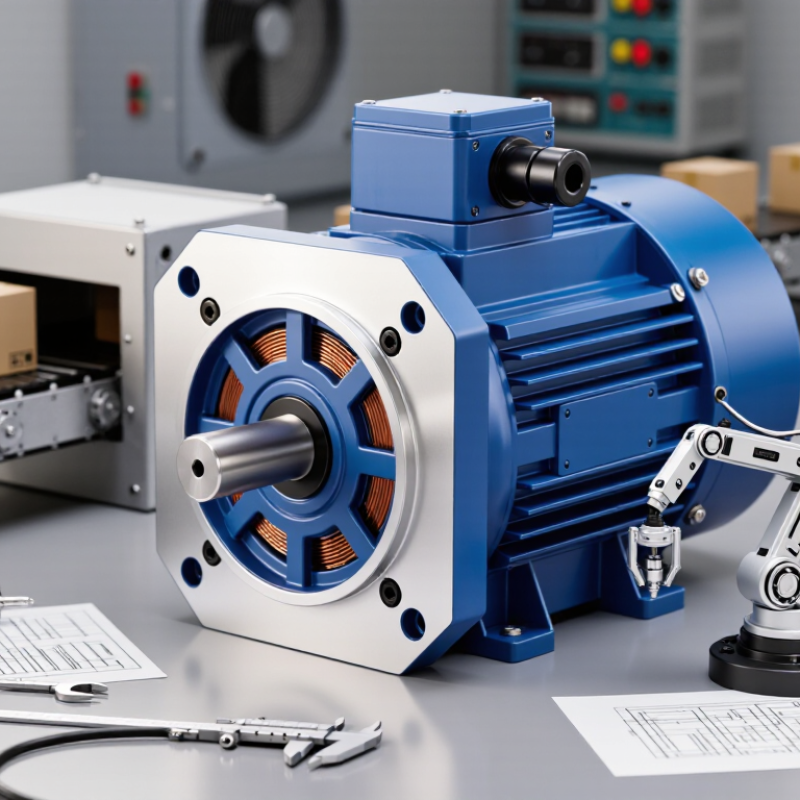
Choosing a High Torque Brushless Dc Motor can make a real difference when equipment must start under load, move steadily, or respond quickly to changing demands. Think of a conveyor belt carrying boxes, a compact robot lifting an arm, or an electric pump pushing fluid through a narrow line. In each case, usable torque matters—not just a headline specification. A motor’s performance also depends on its controller, power supply, cooling, and mechanical load. Match them poorly, and even a powerful motor can disappoint.

Professor James L. Kirtley is known for teaching and researching electric machines. As an editorial paraphrase of the engineering principles covered in his work: “Torque is useful only when the motor, drive, and load work together.” This is not a verbatim quotation. It reflects a practical point: compare continuous and peak torque, operating speed, efficiency, heat limits, and control requirements before choosing a motor. Check the real duty cycle, too. A motor that handles a brief surge may not tolerate the same load all day. Small details matter. Shaft dimensions, mounting space, noise, and service access can complicate an otherwise sound choice. The following outline explores these trade-offs and explains when high torque is valuable, what specifications deserve attention, and where a different motor may be the better fit. A careful comparison beats a bigger number.
Why Choose a High Torque Brushless DC Motor?

What Is a High-Torque Brushless DC Motor?

A high-torque brushless DC motor is an electronically commutated motor designed to produce substantial turning force, especially at low or moderate speeds. Instead of brushes switching current mechanically, a controller energizes stator windings in sequence, pulling the rotor’s permanent magnets around. The result is controlled rotation with fewer friction parts and useful torque in a compact package. In plain terms, torque is the force that turns a shaft.

“High torque” is not a universal rating. A motor may deliver a strong starting pull, yet lose torque as speed rises or heat builds. Its actual performance depends on current, winding design, motor dimensions, cooling, and the controller’s limits. A small conveyor may need steady force to move loaded items slowly. A robotic joint may need brief, precise changes in direction. Those jobs differ. Check torque figures alongside speed, voltage, duty cycle, and temperature rise.

When evaluating a motor, look for a torque-speed curve and clarify whether the figure is continuous or peak. Peak torque may be available only briefly; treating it as continuous can overheat the windings or driver. Mounting, shaft load, and ventilation matter too, though they are easy to overlook on a datasheet. No motor is ideal. Start with the load profile, then assess the motor and controller together under expected operating conditions.

How Does Its Design Produce High Torque?

A high-torque brushless DC motor is designed to create strong turning force from controlled electromagnetic interaction. Torque rises with phase current and the motor’s torque constant. Permanent magnets on the rotor provide magnetic flux, while energized stator windings create the opposing field that turns it. A carefully controlled air gap helps keep this magnetic interaction effective.

The rotor’s radius and active length also matter: more working area can produce more torque, but often adds size and weight. The U.S. Department of Energy’s 2002 industrial motor assessment estimated that motor systems used about 68% of U.S. manufacturing electricity. Its 2014 industry sourcebook gives a similar figure of roughly 70% for industrial electricity use. These figures explain why motor design and efficient control matter in real equipment.

The controller switches winding current in step with rotor position, helping maintain useful torque as the shaft turns. More current creates more torque, up to the motor’s thermal and magnetic limits. Copper losses heat the windings. A larger motor can shed heat more readily, while a compact one may need stricter limits.

The trade-off is easy to underestimate. A peak torque rating does not guarantee the same force during continuous operation; check the rated load, speed, and cooling conditions.

What Benefits Does High Torque Offer?

A high-torque brushless DC motor can deliver useful force at low speeds, helping a loaded conveyor start smoothly instead of jerking into motion. It can also provide quicker acceleration in compact equipment, such as an actuator moving a small platform. Less stalling. Since it has no brushes to wear against a commutator, routine brush replacement is not required. Actual service life still depends on heat, bearings, and operating conditions.

Tips: Check the torque-speed curve, not just the peak torque figure. Match the motor to the load’s starting force, duty cycle, and available cooling. A motor that looks powerful on paper may overheat during repeated starts.

High torque can reduce the need for extra gearing, but it does not always eliminate it. A gearbox may still suit an application that needs very slow motion or precise positioning. That trade-off is easy to overlook. For example, a lift mechanism may need high starting torque, while also requiring controlled speed and a safe holding method. Compare continuous torque with peak torque, and leave room for real-world friction and changing loads. Testing under the actual load is worthwhile; calculations alone can miss a little.

Where Are High-Torque Brushless Motors Used?

High-torque brushless DC motors are used in machines that must move heavy loads from a standstill or maintain steady motion under resistance. In factories, they drive conveyor rollers carrying dense cartons, robotic joints positioning metal parts, and automated guided vehicles moving pallets across smooth floors. Their strong torque at lower speeds can reduce the need for bulky gear reductions. That is useful.

You can also find them in powered lift tables, wheelchair drives, agricultural equipment, and compact winches. A lift table, for example, may need to raise a load evenly while resisting sudden changes in weight. Brushless motors suit these jobs because electronic commutation supports controlled speed and direction, while the lack of brushes reduces routine wear. Quiet operation can matter, too, especially in indoor equipment.

A high torque rating alone does not guarantee a good fit. Not always. Engineers also check the motor’s continuous torque, peak load, cooling, and controller limits. A motor may handle a brief start but overheat during repeated lifting cycles. Heat still matters. Shaft alignment and mounting stiffness deserve attention as well; overlooked vibration can shorten bearing life. Choosing the right motor means matching its real duty cycle to the machine, not just selecting the largest torque figure.

Why Choose a High Torque Brushless DC Motor? - Where Are High-Torque Brushless Motors Used?

Application Typical Torque Requirement Why High Torque Bldc Motors Are Useful Key Design Considerations
Robotic joints and collaborative robots High torque at low speed, with controlled starts and frequent changes in direction. Can provide responsive motion and precise speed control; a suitable motor may reduce the need for a large reduction stage. Check torque throughout the duty cycle, position feedback, thermal limits, and whether gearing is still required.
Automated guided vehicles and mobile robots Strong starting and climbing torque to move the vehicle and its payload. Brushless operation supports frequent use, while electronic control can help regulate wheel speed and acceleration. Account for wheel radius, vehicle mass, floor conditions, required incline, battery voltage, and regenerative braking needs.
Electric actuators and lifting mechanisms High torque during lifting, pushing, or holding a load at low speed. Provides a compact motor option for controlled mechanical movement; a brake or transmission can be added when load holding is required. Verify peak and continuous torque, actuator efficiency, duty cycle, and safe load-holding provisions.
Conveyors and material-handling equipment Sustained torque to overcome belt friction, move products, and start a loaded conveyor. Electronic speed control helps match motion to the process, and brushless construction avoids brush wear. Size for continuous operation and startup load; consider ambient temperature, dust protection, and transmission losses.
Packaging and indexing machinery Repeated acceleration and deceleration, often with accurate positioning between cycles. Fast electronic control and feedback options can support repeatable motion and short machine cycles. Check peak torque, inertia matching, encoder requirements, controller compatibility, and expected cycle frequency.
Direct-drive turntables and rotary platforms Rotational torque to move a platform or load, sometimes at low speed without a gearbox. A high-torque motor can enable direct drive in suitable designs, reducing gearbox-related backlash and maintenance. Confirm torque at the required speed, bearing and load support, positional accuracy, and heat dissipation.
Industrial pumps and mixers Torque to overcome fluid resistance, especially during startup or when operating at lower speeds. Variable-speed control can help adjust output to process needs; brushless motors can operate without brush replacement. Match motor and controller to the load curve, fluid conditions, required speed range, and enclosure or ingress-protection needs.

Selection note: Motor torque depends on motor size, current, speed, cooling, and operating duty. Compare continuous and peak torque ratings at the required operating conditions; high torque does not necessarily mean that a gearbox can be omitted.

What Factors Matter When Choosing One?

Choosing a high torque brushless DC motor starts with the load, not the largest torque figure on a datasheet. Measure starting torque, continuous torque, operating speed, and duty cycle. A motor lifting a heavy gate needs strong startup torque; a fast packaging roller may need more speed stability. Peak torque misleads. It is usually available only briefly.

Check the torque-speed curve against your real operating range. Then compare winding temperature, cooling, voltage, and drive compatibility. The U.S. Department of Energy’s 2014 Improving Motor and Drive System Performance sourcebook estimates that motor-driven systems use about 69% of the electricity consumed by U.S. manufacturing. That figure makes efficiency worth checking, especially in equipment that runs for long shifts. A well-matched motor and drive can avoid unnecessary energy use and heat.

Mounting space, shaft dimensions, bearings, dust, and vibration also matter. Confirm whether the drive supports the required feedback device and current limits. If the motor sits in a warm enclosure, rated torque may not be available continuously without extra cooling. A bench test can still miss real load changes; test the assembly under its actual duty cycle when possible. Be cautious about oversizing: extra torque can bring higher cost, bulk, and control demands.

Back to top
