
GST : 27AAFFV7667M1ZA

call images

Call us

08045801431

Why Choose an External Meter Box for Your Property?

An External Meter Box can make utility access easier while keeping equipment protected from everyday contact. Positioned outside a property, it gives authorised meter readers and service professionals a clear access point without requiring entry into the home. For residents, that can mean fewer disruptions and a simpler way to check meter readings. A practical detail matters: the box should be easy to find, yet placed where it does not obstruct a path or invite accidental damage.

The right choice depends on the property, the meter type, and local installation requirements. A durable enclosure can help shield the meter from rain, dust, and knocks, but no box is completely maintenance-free. Check that the dimensions suit the equipment and that the door opens comfortably. Material and ventilation also deserve attention. Poor access can turn a routine reading or repair into an avoidable hassle.

Small details count. A secure latch, legible access, and sensible placement can improve day-to-day use. Before buying, confirm specifications with the utility provider or a qualified installer, since requirements vary. Do not assume one design fits every property. An External Meter Box is a modest feature, but choosing carefully can support safer access and a tidier exterior. It may not transform the home. Still, the right fit is worth checking.
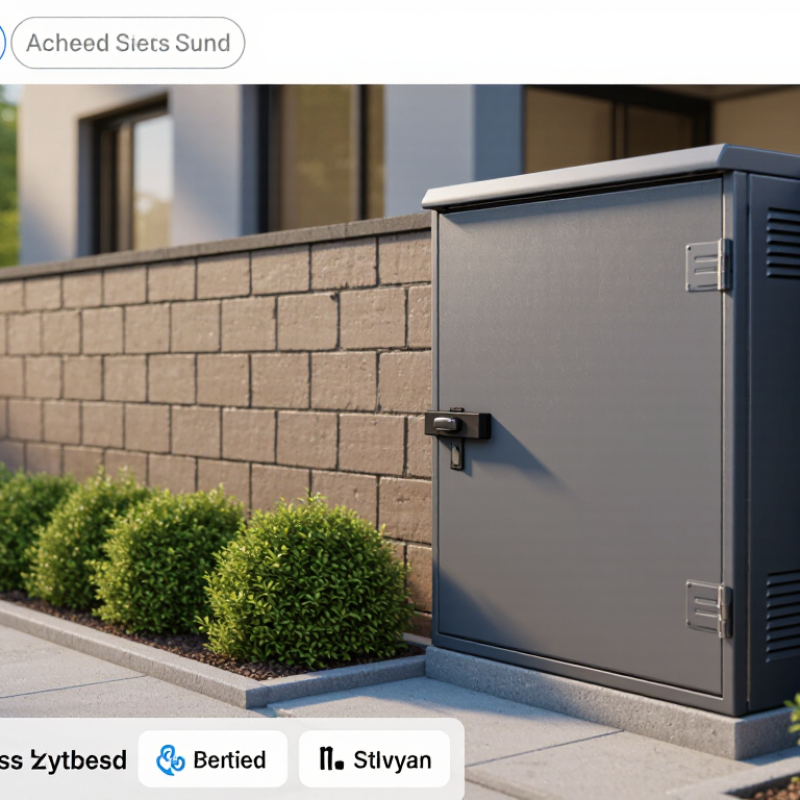
Why Choose an External Meter Box for Your Property?

What an External Meter Box Is and How It Works

An external meter box is a weather-resistant enclosure mounted outside a property. It holds an electricity or gas meter where authorized workers can reach it without entering the building. The box helps protect the meter and connections from rain, dust, accidental knocks, and curious hands. Its layout depends on the meter type and local installation requirements. Simple, but important.

As energy flows through the service connection, the meter records usage for billing or monitoring. Digital models show readings on a screen; older models may use rotating digits or a mechanical dial. A technician or utility representative can inspect the display or service equipment through the access door. The enclosure itself does not measure energy. The meter inside does. Access and ventilation should follow the equipment instructions. Never force a stuck door. For sealed compartments, contact the utility or a qualified electrician.

Tips: Keep the area clear, especially after gardening or snowfall. Check that the door closes fully and report visible damage promptly. Do not move, drill, or modify the box yourself; this could expose live parts or affect the meter. Placement can make routine readings easier, though it may not look perfect on every wall.

Why Choose an External Meter Box for Your Property? — What an External Meter Box Is and How It Works
Aspect Typical details How it works and why it matters
What it is A purpose-made enclosure fitted outside a building to house a utility meter and, where applicable, associated service components. The enclosure provides a designated place for the meter while allowing authorised personnel to locate and read or service it.
Utilities it may serve External meter boxes are commonly used for electricity, gas, or water meters. The required enclosure depends on the meter and local utility requirements. A box should be selected for the specific service; an enclosure designed for one meter type may not be suitable for another.
Access and readings A door or removable cover provides access to the meter display, connections, or reading mechanism. External placement can make routine meter reading and authorised maintenance possible without entering the property.
Weather protection Enclosures are made from weather-resistant materials such as suitable plastics, metal, or glass-reinforced plastic. Protection levels vary by product. The housing helps shield the meter from rain, wind, and outdoor exposure, but it is not necessarily waterproof or suitable for every environment.
Physical protection A sturdy enclosure helps reduce exposure to accidental knocks, dirt, and unauthorised interference. The level of protection depends on the enclosure’s construction, installation, and condition; it does not replace safe installation or utility-approved security measures.
Typical location It is often mounted on an accessible external wall or placed in another approved outdoor position. Correct positioning keeps the meter reachable while avoiding obstructions. Required locations and clearances should be confirmed with the relevant utility or installer.
Installation The enclosure must be securely fitted, correctly sized, and compatible with the meter, service entry, and mounting surface. Installation requirements differ by utility, meter type, property, and local regulations. Work on meter connections should be handled by an appropriately authorised professional.
Maintenance Periodic visual checks can identify a damaged cover, loose fixing, blocked access, or signs of water ingress. Keeping the box accessible and reporting damage helps ensure that authorised readings and servicing can take place safely.
Ownership and responsibility Responsibility for the meter, enclosure, and repairs can vary by location and utility arrangement. Check the utility’s guidance or property documents before replacing, altering, or arranging work on a meter box.
Main advantages Convenient access, a defined meter location, and added protection from everyday outdoor exposure. These benefits can simplify meter access and routine servicing, provided the enclosure is appropriate, correctly installed, and kept in good condition.

How External Placement Improves Meter Access

An external meter box can make meter access simpler for residents and authorised technicians. A clear path from the gate to the box helps during routine readings, inspections, or service visits. No one needs to arrange indoor access just to reach the meter. That can save time. A box beside a side entrance, for example, may be easier to reach than one tucked behind stored bins or dense shrubs.

Good placement is more than putting the meter outdoors. Keep the approach unobstructed, and leave enough room to open the cover and work safely. A level, secure mounting point also helps prevent strain on the enclosure and its connections. Local utility requirements may specify clearance, position, or enclosure type, so confirm those details before installation with a qualified professional.

Less reaching. Fewer obstacles.

There is a trade-off, though. An outside box is more visible and exposed to rain, sun, and accidental knocks. The enclosure must suit the location, and its cover should close properly. It is easy to focus only on convenience; the position also needs protection from vehicle impacts and standing water. A little planning makes access more practical, even if the box is not perfectly discreet.

Key Benefits for Safety, Maintenance, and Property Use

An external meter box places the electricity meter where authorised utility workers can reach it without entering your home. That can make readings, inspections, and some maintenance visits more straightforward, while keeping routine work away from hallways, cupboards, and living spaces. The benefit is practical: fewer indoor access arrangements and more usable space around the meter. Keep it clear. A hedge, stored bins, or a parked vehicle can make an outdoor box harder to reach.

Safety still depends on sound installation and upkeep. The NFPA’s 2019 Home Electrical Fires report estimated an annual average of 46,700 U.S. home fires involving electrical failure or malfunction during 2012–2016. This figure does not mean an external box prevents fires; it underlines why electrical equipment needs proper inspection and protection. Check periodically for a cracked cover, corrosion, water entry, or damaged seals, and arrange assessment by a qualified electrician if anything looks wrong. A box is not a cure-all. Placement must suit the property and local utility requirements, and access should remain clear. I would not assume an outdoor location is automatically safer: poor weatherproofing or careless installation can create problems of its own.

Factors to Consider Before Choosing an External Meter Box

Choosing an external meter box starts with the meter itself: check its dimensions, cable entry points, and the clearance needed for safe reading and maintenance. A box that looks spacious in a catalogue may feel cramped once conduits and fittings are installed. Measure the available wall space, including room to open the door fully. Measure twice.

Weather exposure matters. A north-facing wall may stay damp, while a sunlit position can heat the enclosure through the afternoon. Look for durable, weather-resistant construction and a secure door, but confirm that the enclosure suits the meter and local installation requirements. The meter must remain accessible to authorized workers, and the box should not obstruct a walkway or sit where vehicles could strike it. Small details count.

Also consider the wall material and how the box will be fixed. Brick, timber, and rendered surfaces need different fasteners, and a loose installation can become a maintenance problem. Check that the chosen location allows cables to enter without sharp bends or exposed gaps. If the meter is being relocated or the setup is unclear, ask a qualified electrician or utility representative to assess it before purchase. Guessing can be expensive. One thing people sometimes overlook is future access: landscaping, gates, or a new fence can make a once-convenient box awkward to reach. A little planning now helps, though no location stays perfect forever.

How to Select and Install a Suitable Meter Box

An external meter box should match the meter, service rating, and utility requirements—not just the available wall space. The U.S. Energy Information Administration reported about 119 million advanced meters in operation in 2022, serving roughly 72% of electricity customers. That scale makes compatibility worth checking, especially if a meter may be upgraded later. Confirm the required meter form, enclosure dimensions, and access clearances with the utility before buying.

For an exposed location, check the enclosure’s weather and corrosion resistance, listed protection rating, and suitability for the local climate. Look closely at cable-entry points and the fixing surface. A box mounted on damp, crumbling masonry may need a different approach from one fixed to sound brick. It is easy to focus on the box and forget the wall behind it. Small details matter.

Have a qualified electrician coordinate installation with the utility and follow applicable electrical codes. The supply must be safely isolated, and the meter area must remain accessible for inspection and reading. Keep conduit entries sealed as specified, use suitable fasteners, and avoid placing the enclosure where doors, shrubs, or stored items block access. I would still recheck the utility’s requirements before work begins; specifications can vary by service area.

Back to top