Why Choose Forged Carbon Fiber Sheet for Your Next Project?
When considering materials for your next project, Forged Carbon Fiber Sheet stands out. This innovative material offers unmatched strength and lightweight properties. Engineers and designers increasingly prefer it for various applications, from automotive parts to aerospace components.
Forged Carbon Fiber Sheet is created through a unique process, enhancing its performance and durability. Its ability to resist impact and bending makes it an ideal choice for high-stress environments. However, the manufacturing process can be complex, requiring expertise to ensure quality. Not all providers ensure the same level of craftsmanship.
In exploring the benefits, it’s essential to acknowledge potential drawbacks. Forged Carbon Fiber Sheet, while strong, can also be more expensive than traditional materials. Budget constraints may require careful consideration. Nonetheless, the investment often pays off in the long term due to its versatility and resilience.
Benefits of Forged Carbon Fiber Sheets in Modern Applications
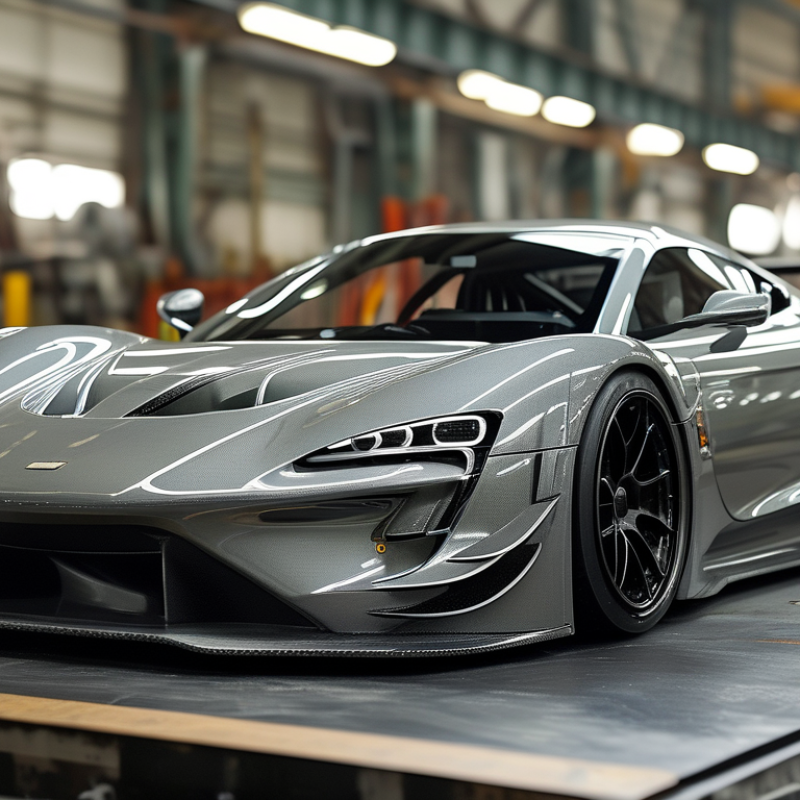
Forged carbon fiber sheets are rapidly gaining popularity in various modern applications. They offer a unique combination of strength and lightweight properties. This type of carbon fiber features a distinct aesthetic that gives it an edge in design. The irregular fiber patterns not only enhance visual appeal but also provide superior performance. Engineers and designers frequently choose these sheets for high-performance parts.
One significant advantage of forged carbon fiber sheets is their durability. They resist impact and fatigue better than many traditional materials. This makes them ideal for automotive and aerospace industries. They can withstand harsh environments while maintaining structural integrity. Furthermore, their lightweight nature allows for increased efficiency, particularly in vehicle design where every ounce counts.
However, it's essential to address some challenges. The manufacturing process can be complex and costly. Not all projects may justify the investment. Additionally, real-world performance can sometimes differ from laboratory tests. Thus, thorough testing and evaluation are crucial. Understanding specific project needs will help determine if forged carbon fiber is truly the right choice.
Why Choose Forged Carbon Fiber Sheet for Your Next Project? - Benefits of Forged Carbon Fiber Sheets in Modern Applications
| Feature | Benefits |
| Lightweight | Reduces overall weight of the final product, enhancing performance. |
| High Strength | Exceptional tensile strength that surpasses traditional materials. |
| Corrosion Resistance | Will not rust or corrode, increasing longevity of products. |
| Aesthetic Appeal | Unique look that can enhance the visual aspects of end products. |
| Thermal Stability | Maintains performance under varying temperatures, ideal for diverse applications. |
| Versatility | Suitable for a wide range of industries including automotive, aerospace, and sports. |
Comparison of Forged Carbon Fiber and Traditional Materials
Forged carbon fiber represents a significant advancement in materials technology. Unlike traditional options like metals and plastics, forged carbon fiber offers unique properties. It is lightweight yet exceptionally strong, making it ideal for high-performance applications. Using this material can lead to better efficiency in product design.
In contrast, traditional materials often lack the versatility that forged carbon fiber provides. Metals can be heavy and subject to corrosion. Plastics may not endure extreme temperatures or stress. Furthermore, the manufacturing processes for traditional materials can be time-consuming and costly. Forged carbon fiber can often be produced more efficiently, saving both time and money in the long run.
Yet, it’s essential to consider the learning curve involved in using forged carbon fiber. Not all manufacturers are experienced with this evolving material. There may be questions regarding the long-term durability in specific environments. Knowing how to leverage its benefits while mitigating its challenges is key. Thus, assessing your project's requirements is crucial before making a decision.
Key Properties and Performance Metrics of Forged Carbon Fiber
Forged carbon fiber sheets have gained attention for their unique properties. They are lightweight yet incredibly strong. This combination makes them ideal for various applications, such as automotive and aerospace industries. Research indicates that forged carbon fibers can have tensile strengths exceeding 1,500 MPa, offering superior performance compared to traditional materials.
The manufacturing process of forged carbon fiber contributes to its distinct characteristics. The infusion of resin under high pressure ensures uniformity and eliminates defects. This results in sheets with consistent quality. The unique forging technique also allows for complex shapes, making it versatile for various designs. Studies show that components made from forged carbon fiber often weigh 30% less than aluminum, improving overall efficiency.
Tip: When selecting forged carbon fiber sheets, consider the specific requirements of your project. Check for weight tolerance and strength metrics. Understanding the material's properties helps in making informed choices. Not all forged carbon fibers are the same, so do not base decisions solely on manufacturer claims. Take time to review performance data before purchasing.
Best Practices for Working with Forged Carbon Fiber in Project Design
When working with forged carbon fiber, attention to detail is crucial. This material offers unique aesthetics and superior strength. However, it also demands careful handling. Always wear proper safety gear when cutting or shaping the sheets. Use sharp tools designed for composite materials. Dull blades can lead to inconsistent edges, causing structural weaknesses.
Before starting your project, make sure to plan and measure carefully. Mistakes in measurements can lead to wasted material and time. It’s beneficial to create a prototype to test your design before committing to the final product. This exploratory phase allows for adjustments, as forged carbon fiber can behave differently compared to traditional materials.
Some may find it challenging to work with forged carbon fiber due to its unique properties. Adhesives and bonding techniques can vary, making material choices critical. Experiment with different bonding agents to find the best fit for your needs. Remember, practice and patience are vital. Each project presents its own lessons, and reflection on the process can lead to growth and better outcomes in future designs.
Case Studies: Successful Projects Utilizing Forged Carbon Fiber Sheets
Forged carbon fiber sheets have gained traction across various sectors. Industries like automotive and sports equipment have reported substantial benefits. A case study on a luxury sports car demonstrated a 30% weight reduction using these sheets. This reduction led to enhanced acceleration and overall performance.
Another fascinating application involved high-end bicycle frames. One manufacturer reported a 25% increase in stiffness while maintaining a lower weight. This improvement enhanced the bike's handling and rider experience, making forged carbon a preferred choice for cycling enthusiasts.
However, the implementation of forged carbon fiber is not without challenges. The cost remains a significant factor for many projects. Proper training is also required to handle and process these materials effectively. Companies must weigh the benefits against these potential hurdles. With a growing number of successful applications, the conversation around forged carbon fiber sheets continues to evolve, inviting further exploration and innovation.
Advantages of Forged Carbon Fiber Sheets in Projects



 Send Inquiry

