GST : 27AAFFV7667M1ZA

call images

Call us

08045801431

What Are Hydraulic Hose Fittings and How Do They Work?

Hydraulic Hose Fittings connect hoses to pumps, valves, cylinders, and other fluid-power components. They create a sealed path for pressurized hydraulic oil. Without the correct fitting, a powerful system can become a small, dangerous spray source.

Industry data shows why these components deserve careful attention. Grand View Research estimates that the global hydraulic hose market reached billions of dollars in recent years and will continue growing through 2030. The report links this demand to construction equipment, agricultural machinery, mining, and industrial automation. The National Fluid Power Association also identifies mobile equipment and factory systems as major users of hydraulic technology. These figures describe market activity, not guaranteed product quality. That distinction matters.

A fitting usually works through threads, sealing surfaces, or crimped connections. Its design must match the hose size, pressure rating, fluid type, temperature, and movement pattern. ISO 18752 provides performance classifications for hydraulic hose assemblies, while ISO 17165-2 offers guidance for hose assembly practices. These standards support reliable selection, but they do not replace field inspection or manufacturer instructions. Real failures often begin with small details: a twisted hose, a loose nut, a sharp bend, or contamination inside the fitting. That is easy to overlook.

This guide explains how Hydraulic Hose Fittings transfer pressure safely and why their construction affects system performance. It also examines common fitting types, installation methods, sealing principles, and failure signs. Some explanations may simplify complex engineering choices. Always verify technical data against current standards and the original manufacturer’s specifications.
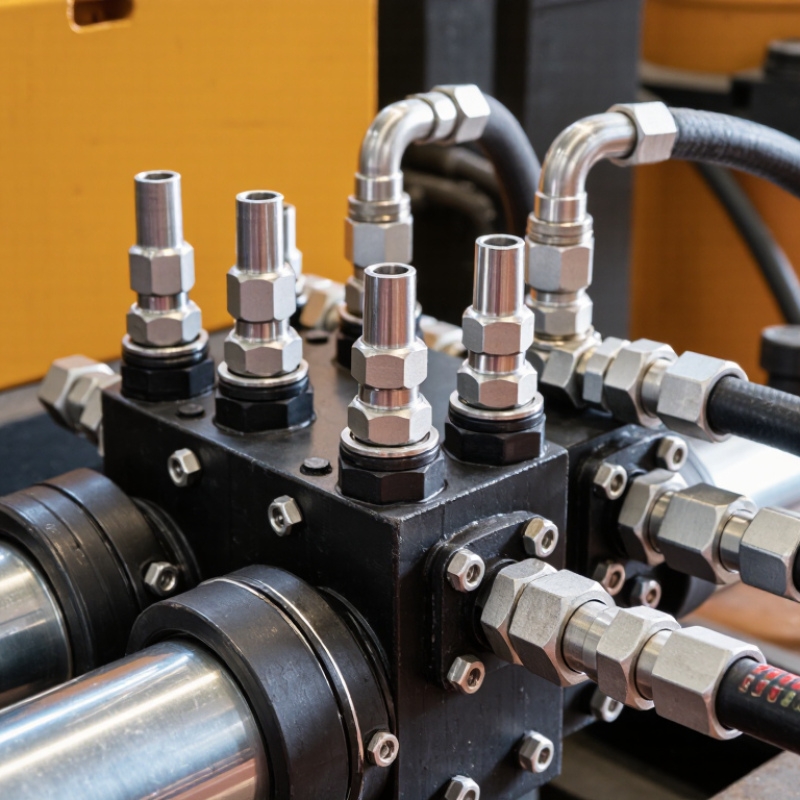
What Are Hydraulic Hose Fittings and How Do They Work?

What Are Hydraulic Hose Fittings?

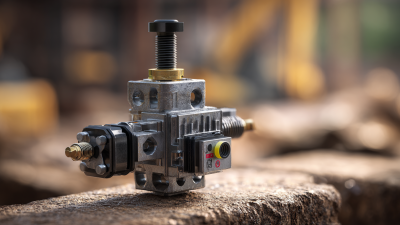
Hydraulic hose fittings are connection components that join flexible hoses to pumps, valves, cylinders, and other hydraulic equipment. They create a sealed path for pressurized fluid. Common designs include straight, elbow, tee, and quick-connect fittings. Each design suits a different routing need.

A fitting usually has a threaded, flanged, or crimped connection. The hose attaches to one end, while the opposite end connects to a machine port. When hydraulic pressure rises, the fitting must resist leakage, vibration, and separation. Material choice matters. Steel handles demanding industrial conditions, while stainless steel offers stronger corrosion resistance in wet environments. Seal type also affects performance. A damaged seal can leak even when the fitting looks properly installed.

Tips: Match the fitting to the hose size, pressure rating, fluid, and port thread. Clean every connection before assembly. Small metal particles can damage valves and seals. Never tighten a fitting by force alone. Excessive torque may distort the seal or crack the port. In field inspections, I would check for wet spots, abrasion, and unusual movement near the connection. These signs often appear before a serious failure. Measuring the old fitting is useful, but it is not always enough. Thread standards can look similar, and guessing remains an easy mistake. A pressure test after installation provides better confidence. Keep hands away from suspected leaks, because pressurized fluid can penetrate skin.
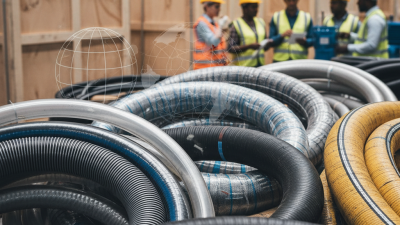
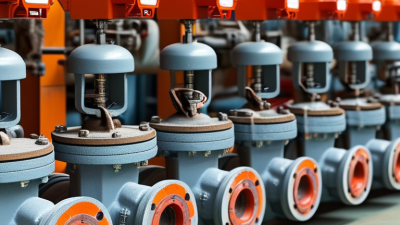
What Are the Main Types of Hydraulic Hose Fittings?

Hydraulic hose fittings connect flexible hoses to pumps, valves, cylinders, and other components. They transfer pressurized fluid while preventing leaks at the connection point. A fitting usually seals through threads, an O-ring, a cone, or a face seal. Correct installation depends on hose size, working pressure, temperature, and fluid compatibility.

The main types include threaded fittings, flange fittings, and quick-connect couplers. Threaded fittings suit compact systems and use different thread standards, such as metric, NPT, or BSP. Flange fittings handle high flow and heavy vibration, especially near pumps and industrial machinery. Quick-connect couplers allow faster hose changes. They are useful during maintenance, but dirt can damage their internal valves. Elbow fittings change flow direction, while tee fittings divide one circuit into two. Reducers connect hoses with different diameters.

Selection requires more than matching the thread. A fitting may look correct and still be wrong. That is an easy mistake. Experienced technicians check the hose inside diameter, pressure rating, bend radius, and sealing method. They also inspect scratches, crushed threads, and twisted hose ends before tightening. Over-tightening can damage a seal. Under-tightening can cause leakage under pressure. In practical work, clean connection surfaces matter as much as fitting design. A short test run can reveal seepage before the system reaches full operating pressure.

How Do Hydraulic Hose Fittings Connect and Seal Hoses?

Hydraulic hose fittings connect flexible hoses to pumps, valves, cylinders, and rigid tubing. The connection starts when the fitting insert enters the hose bore. In many crimped assemblies, a ferrule compresses the hose around that insert. This grip resists pullout under pressure. Threads attach the fitting to equipment, but threads alone rarely create a reliable seal. Sealing usually comes from an O-ring, bonded washer, tapered seat, or metal cone. That distinction matters. A clean seat closes microscopic escape paths between metal surfaces.

Fortune Business Insights valued the global hydraulic hose market at USD 2.66 billion in 2023. It projects the market to reach USD 3.56 billion by 2032. This growth increases demand for correctly matched fittings, not merely faster assembly. Technicians should verify hose size, pressure rating, temperature range, thread form, and sealing method. ISO 4413 also emphasizes safe design, inspection, and protection from stored hydraulic energy. A fitting can look perfect and still leak. Small errors become expensive. Overtightening may damage threads or crush an O-ring, while insufficient torque can allow movement and seepage. One practical lesson is simple: clean every mating surface, use the specified torque, and inspect the hose after pressurization. Torque alone is not proof of a sound seal. Ambient temperature, vibration, and repeated bending can expose weaknesses later.

What Are Hydraulic Hose Fittings and How Do They Work? - How Do Hydraulic Hose Fittings Connect and Seal Hoses?

Data Dimension Hydraulic Hose Fitting Information How It Works in Practice
Definition A hydraulic hose fitting is a mechanical connector used to attach a flexible hose to another hose, a tube, a pipe, or a hydraulic component. The fitting provides a secure fluid path while allowing the hose assembly to be installed, routed, serviced, or replaced.
Primary Purpose To connect hydraulic hoses and maintain a leak-resistant path for pressurized fluid. It transfers hydraulic fluid between pumps, valves, cylinders, motors, filters, and reservoirs without allowing air or fluid to escape.
Common Fitting Ends Threaded ends, flanged ends, quick-connect ends, tube connections, and hose-tail or crimp-style ends. The hose end is secured to one side of the fitting, while the opposite end connects to the matching port or component.
Threaded Connection A male or female threaded fitting uses matching threads to join the fitting to a port, adapter, or another fitting. Threads provide mechanical engagement; the actual fluid seal is normally created by an O-ring, sealing seat, gasket, or thread sealant, depending on the connection design.
Crimped Hose Connection A crimp fitting has a socket or ferrule that is permanently compressed around the hose end. Controlled crimping compresses the hose layers around the fitting barb or nipple, producing a strong mechanical grip and a sealed connection.
O-Ring Sealing An elastomeric O-ring is positioned in a groove or sealing face between mating components. When the connection is tightened, the O-ring is compressed against the mating surface and blocks the leakage path.
Metal-to-Metal Seal Some fittings seal through a precisely formed cone, flare, or angled metal seat. Tightening forces the two metal surfaces together, creating a continuous contact area that restricts fluid movement.
Gasket or Bonded Seal A flat gasket or bonded sealing washer is placed between the fitting and the port face. Fastener or fitting torque compresses the seal against the mating faces, closing small surface irregularities.
Thread Sealant A compatible liquid sealant or sealing tape may be used on connections designed to seal through the threads. The sealant fills the small spiral clearance between mating threads. It should not be used where the connection is designed to seal at a seat or O-ring.
Pressure Rating The fitting must have a working pressure rating equal to or higher than the hydraulic system requirement. The complete hose assembly is limited by its lowest-rated component, including the hose, fitting, adapter, and connection method.
Temperature Compatibility Materials and seals must withstand the minimum and maximum operating temperatures of the hydraulic fluid and environment. Excessive heat can harden or degrade elastomeric seals, while very low temperatures can reduce flexibility and increase the risk of cracking.
Material Selection Common fitting materials include carbon steel, stainless steel, and other corrosion-resistant alloys. Material choice depends on pressure, fluid compatibility, temperature, corrosion exposure, weight, and installation conditions.
Hose Size Matching The fitting must match the hose inside diameter, outside diameter, construction, and intended connection type. Incorrect sizing can cause excessive restriction, poor retention, leakage, premature hose failure, or an inability to assemble the connection correctly.
Flow and Pressure Loss Internal passages should be appropriately sized and shaped for the required hydraulic flow. Small bores, sharp bends, and restrictive fittings increase pressure loss and may generate heat or reduce system performance.
Swivel Fittings A swivel fitting allows limited rotational movement during installation or equipment operation. It can help reduce hose twisting, but it does not eliminate the need for correct routing, bend radius, and strain control.
Bend Radius The hose must be routed so that it does not bend below the minimum bend radius specified for the hose assembly. Excessive bending near the fitting can damage reinforcement, reduce service life, and create leakage at the hose-to-fitting interface.
Installation Torque Torque is the tightening force applied to a threaded or bolted connection. Insufficient torque may cause leakage, while excessive torque can damage threads, deform sealing surfaces, or crush an O-ring.
Cleanliness Requirement Fittings and hose interiors should be protected from dust, metal chips, moisture, and other contaminants. Contamination can damage valves and pumps, obstruct small passages, score sealing surfaces, and shorten hydraulic component life.
Leak Prevention Leak prevention depends on correct component matching, clean sealing surfaces, proper assembly, and suitable operating conditions. A fitting should not be tightened or adjusted while the system is pressurized. Hydraulic pressure must be fully released before inspection or service.
Inspection Indicators Visible leakage, damaged threads, corrosion, cracked seals, hose bulging, abrasion, and fitting movement are warning signs. Any damaged hose assembly or fitting should be depressurized, isolated, and replaced or repaired using compatible components.

How Do Hydraulic Hose Fittings Transfer Hydraulic Pressure?

Hydraulic hose fittings create the pressure-tight connection between a hose, valve, pump, or actuator. Their basic job is simple: guide pressurized fluid without allowing leakage. Their engineering is not simple.

Inside a working line, the pump pushes oil through the hose bore. The fitting’s sealing surface keeps that force contained. Threads mainly provide mechanical retention; the seal usually comes from an O-ring, cone, bonded seal, or controlled metal contact. Correct insertion matters. A fitting can look secure and still leak under pressure.

Pressure transfer depends on area, flow resistance, and connection strength. For example, 10 MPa acting across a 100 mm² internal area produces approximately 1,000 newtons of force. That force reaches the actuator through the fluid and fitting assembly. According to ISO 18752, hydraulic hoses are classified by pressure capability and impulse performance, not appearance alone. A 2024 market report from Grand View Research estimated the global hydraulic hose market at about US$2.9 billion in 2023, with continued growth driven by construction and industrial equipment. That growth also increases the cost of poor fitting selection.

Field inspections often find abrasion near bends, crushed ferrules, or contamination inside newly assembled lines. These faults restrict flow and generate heat. SAE J517 and ISO 18752 provide useful selection frameworks, but standards do not replace installation discipline. Torque values, hose routing, pressure rating, and fluid compatibility must be checked together. I still think visual inspection is overtrusted. A pressure test and clean assembly reveal more.

How Can You Select and Maintain the Right Hydraulic Hose Fittings?

Hydraulic hose fittings connect flexible hoses to pumps, valves, cylinders, and other components. Selecting the right fitting begins with the hose’s inside diameter, outside diameter, pressure rating, and temperature range. Match these details with the hydraulic fluid and the working environment. Dust, vibration, saltwater, and tight spaces can affect service life.

Choose the correct connection type and thread standard. Mixing similar-looking threads can cause leaks or damaged ports. Fitting geometry also matters; elbows and swivels can reduce twisting and sharp bends. Keep the hose within its stated bend radius. A practical lesson is simple: never select a fitting by appearance alone. Use verified specifications and calibrated crimping equipment. Do not guess.

Maintenance requires clean assembly, correct insertion depth, and controlled tightening. Excessive torque may crack a port or distort the seal. Insufficient torque can allow leakage under pressure. Inspect fittings for corrosion, abrasion, movement, and wet spots during scheduled service. Small leaks deserve attention. Pressure should be released before any inspection or adjustment. A fitting can look perfect while its seal has already weakened. I have found that rushed inspections often miss hose movement near the fitting, where failures can begin. Replace damaged seals and fittings with compatible parts, then test the assembly at a controlled pressure. Record the inspection date, operating conditions, and observed wear. Recheck new installations after the system has completed several operating cycles.

Back to top