What Is an Industrial Hose and How Do You Choose One?
Industrial hose selection is rarely as simple as matching diameter and length. A hose may carry water, abrasive slurry, compressed air, chemicals, steam, or food products. Each application creates different demands on the tube, reinforcement, cover, fittings, and routing.
Industrial hose engineer Sarah Chen explains, “A hose should be selected from the process outward, not from the catalog inward.” That principle matters on a busy plant floor. A hose exposed to hot oil needs suitable chemical and temperature resistance. A slurry line may require a thicker tube and stronger abrasion protection. A flexible hose can also fail early when it bends sharply near a coupling.
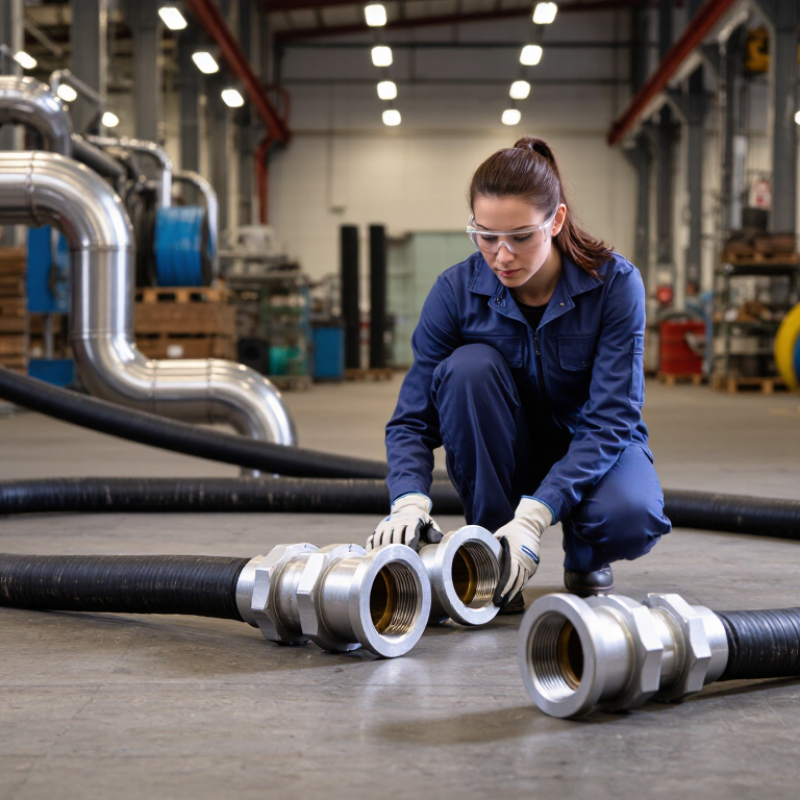
The details are physical. Imagine a six-meter hose dragging across a concrete floor. Its cover faces abrasion, contamination, and repeated movement. If the hose bends below its minimum bend radius, internal reinforcement may fatigue. The outside can still look acceptable. That is the dangerous part.
Choosing the correct Industrial Hose requires more than reading a product description. Confirm the conveyed material, operating pressure, temperature range, vacuum conditions, impulse cycles, and connection style. Consider cleaning methods, outdoor exposure, and static-control requirements. Ask how the hose will actually move.
Small omissions can become expensive failures. I have seen selection guides focus heavily on pressure while giving little attention to routing. That approach needs reconsideration. Pressure matters, but compatibility and installation often decide service life. A reliable choice balances engineering data with real operating conditions, maintenance habits, and documented manufacturer guidance.
Definition and Core Functions of Industrial Hoses
What Is an Industrial Hose and How Do You Choose One?
An industrial hose is a flexible tube designed to move fluids, gases, powders, or abrasive mixtures. Its core function is controlled transfer between equipment, storage tanks, and processing lines. Unlike rigid piping, a hose absorbs vibration and allows movement during operation. It can also simplify maintenance around pumps, valves, and loading points.
Most industrial hoses include an inner tube, reinforcement layer, and protective cover. Each layer serves a specific purpose. The inner tube contacts the conveyed material, while reinforcement manages pressure and movement. The outer cover resists abrasion, sunlight, moisture, chemicals, or heat. Choosing one requires checking the medium, working pressure, temperature range, bend radius, length, and connection type. A hose may look sound but still be unsuitable. I once underestimated bend radius; the result was unnecessary stress near the coupling.
Tips: Confirm compatibility with technical data. Inspect couplings, covers, and bends regularly. Look for cracks, swelling, flattening, leaks, or unusual odors. Do not rely on appearance alone. Keep operating pressure below the rated limit, including pressure surges. Record inspection dates. Small records prevent vague decisions later.
Main Types of Industrial Hoses and Their Applications
Industrial hoses move water, air, chemicals, steam, fuel, and abrasive materials. Their construction changes with the job. Water-discharge hoses usually favor flexibility and moderate pressure. Hydraulic hoses require reinforcement for high-pressure oil systems. Chemical hoses need inner tubes that resist specific fluids. Food and pharmaceutical hoses demand smooth, cleanable surfaces. Material-handling hoses often use thick walls against sand, cement, or gravel.
Market estimates vary, but Grand View Research valued the global industrial hose market at about USD 14 billion in 2023. Its report also identified manufacturing, construction, and oil and gas as major application sectors. These figures show demand, not suitability. A hose chosen by market popularity can still fail in a real plant. Check working pressure, temperature, chemical compatibility, vacuum rating, bend radius, and abrasion exposure. ISO 18752 and EN 12115 can help define performance expectations for selected hose categories.
Tips: Write down the fluid, temperature, pressure, flow rate, and connection size before ordering. Then inspect the hose after installation. Look for flattened sections, cover cuts, swelling, or exposed reinforcement. Replace damaged assemblies early. One detail is often missed: pressure spikes can exceed normal operating pressure. Safety margins should reflect actual machine behavior, not only the average reading. Consult technical tables and qualified engineers when the application is uncertain.
What Is an Industrial Hose and How Do You Choose One?
Industrial hoses are flexible conduits designed to transport liquids, gases, steam, powders, or abrasive materials. The correct hose depends on the medium, pressure, temperature, chemical compatibility, flexibility, and connection method.
The chart compares representative maximum working pressures commonly associated with major industrial hose categories. Actual ratings vary by hose construction, inside diameter, temperature, fittings, and applicable standards. Always confirm the manufacturer’s specification before selection.
Key Materials and Construction Features
An industrial hose is a pressure boundary, not merely a flexible pipe. Its materials must match the conveyed media, operating temperature, and pressure. A 2024 market assessment by Grand View Research estimated the global industrial hose market at about USD 14.3 billion in 2023. It also projects approximately 4.9% annual growth through 2030. That growth reflects wider use in chemical processing, construction, food production, and energy facilities.
The tube carries the media. Nitrile rubber suits many petroleum-based fluids, while EPDM handles hot water, steam, and selected chemicals better. PTFE offers strong chemical resistance and a smooth internal surface. UHMWPE can reduce weight, but its temperature limits require careful checking. The reinforcement controls pressure strength. Textile layers support moderate service, while braided or spiral steel wire supports higher pressure and repeated pulses. The outer cover must resist abrasion, ozone, sunlight, or oil exposure. Small details matter.
ISO 18752 classifies hydraulic hoses by pressure performance, temperature, and impulse resistance. That standard helps engineers compare construction, rather than trusting appearance. Choose by maximum working pressure, not burst pressure. Check the tightest bend radius on the actual route. Consider vacuum rating, electrical conductivity, coupling compatibility, and cleaning chemicals. I have seen specifications fail because the fluid list ignored concentration changes. That shortcut looks efficient. It is not. A hose can feel flexible and still be unsuitable after heat, movement, or repeated pressure cycles.
How to Choose the Right Industrial Hose
An industrial hose is a flexible tube designed to move liquids, gases, powders, or other materials in demanding work areas. Unlike a household hose, it may face high pressure, heat, vibration, chemicals, abrasion, or repeated movement. Choosing one requires more than matching the connection size.
Start with the material being transferred. Oil, water, steam, acids, and food products can require different tube compounds. Check chemical compatibility, operating temperature, and maximum working pressure. Leave a safety margin; pressure spikes can occur during pump startup. Measure the inside diameter carefully, because a narrow hose can restrict flow and increase friction. The hose length also matters. Too much length may sag, while too little can strain the fittings.
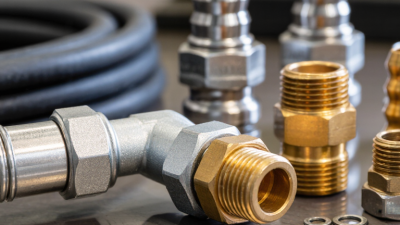
Consider the bend radius, movement frequency, and surrounding surface. A hose dragged across sharp flooring needs strong abrasion resistance. A hose near machinery may need a protective cover or additional reinforcement. Select fittings that match the hose construction and install them correctly. A fitting that looks suitable may still leak under vibration. Inspect for cracks, swelling, exposed reinforcement, and flattened sections before each use.
A tidy specification sheet can still miss the real working conditions. That is worth remembering. Temperature may change during cleaning, and pressure may rise unexpectedly. When conditions are uncertain, consult technical data, relevant safety standards, and a qualified hose specialist. Record the hose rating and inspection date for easier maintenance.
Installation, Maintenance, and Replacement Guidelines
Industrial hoses transfer liquids, gases, powders, and abrasive materials under changing pressure and temperature. Installation quality often determines service life. Before fitting a hose, confirm its working pressure, chemical compatibility, temperature range, and minimum bend radius. Remove sharp edges and support heavy assemblies near the couplings. Never twist a hose to align threaded connections. A rotating hose may look harmless, but its reinforcement can fail internally.
Maintenance must combine scheduled checks with operating evidence. Inspect for cuts, abrasion, blistering, flattened sections, exposed reinforcement, coupling movement, and fluid staining. Depressurize the line before handling it. ISO 8331 recommends planned inspection and replacement practices for hose assemblies. McKinsey maintenance research estimates predictive maintenance can reduce machine downtime by 30–50%. That figure is not automatic. Poor inspection records still produce poor decisions. Record installation dates, pressure tests, media, and visible defects. Replace a hose immediately after serious damage, leakage, or reinforcement exposure. Age alone is not a complete answer, but an undocumented hose is a risk.
Tips: Use a clean, dry storage area away from sunlight, ozone, heat, and sharp tools. Keep end caps fitted during storage. Check clamps and supports after the first operating shift. A small bend-radius mistake can create a large failure later. Maintenance technicians often trust routine too much; actual operating conditions deserve a second look. Reports from the Industrial Safety and Hygiene Association also emphasize documented inspections, worker training, and controlled energy isolation during maintenance.



 Send Inquiry

