7 Tips for Choosing High Pressure Hose Fittings
Choosing High Pressure Hose Fittings is a practical decision with real consequences. A fitting may look solid on a workbench, yet fail if its pressure rating, thread, or material does not match the hose and system. Engineering author Henry Petroski wrote, “Science is about knowing; engineering is about doing.” His broader point suits this task: specifications matter, but so does checking how parts perform together.
This guide introduces seven ways to make a more informed choice. It covers working pressure, hose and fitting compatibility, connection style, materials, temperature range, installation requirements, and supplier documentation. Check the system’s maximum pressure, including possible surges, rather than relying only on its usual operating level. Compare thread forms carefully; similar-looking threads may not seal in the same way. Small details count. A mismatched connection can leak, loosen, or damage equipment.
Look closely at the application, too. A hose routed around a tight frame may need a different fitting angle than one installed in open space. Corrosion, vibration, and frequent movement can also change what is suitable. No checklist can replace the equipment maker’s specifications or a qualified technician’s review. That limitation is worth remembering. Product descriptions can be incomplete, and a familiar brand is not proof of compatibility. The tips ahead offer a clear starting point for selecting High Pressure Hose Fittings with better evidence, careful comparison, and fewer assumptions.
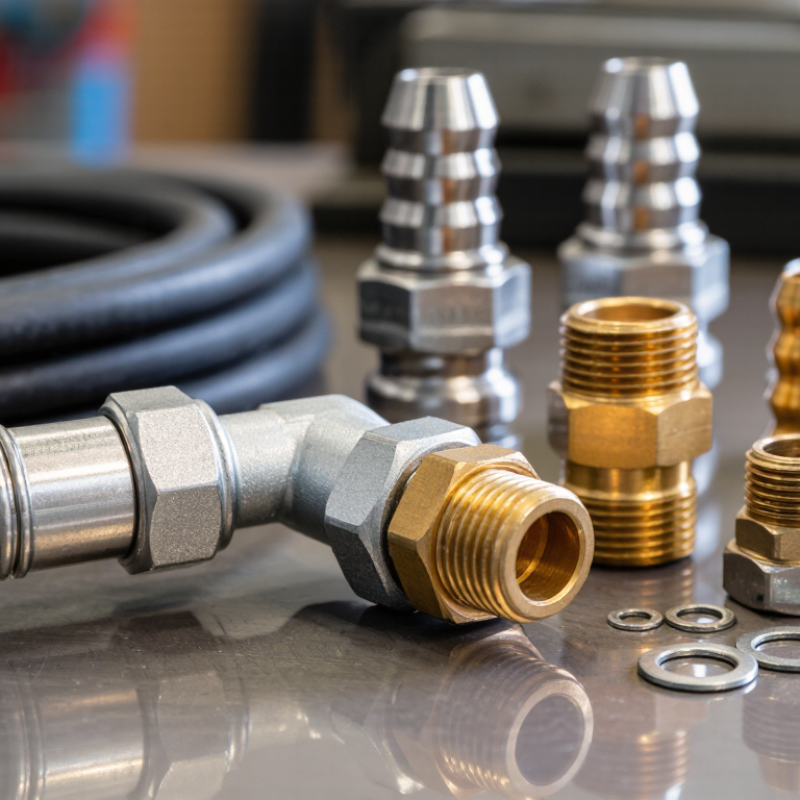
Define the Operating Pressure and Application Requirements
Define the operating pressure before selecting a high-pressure hose fitting. Record the normal working pressure and any brief spikes during startup, shutdown, or valve changes. A gauge can help, but check whether it captures fast pressure surges. Peaks matter. Never use burst pressure as the target operating limit; compare the system’s demands with the rated working pressure of the complete hose assembly. The lowest-rated hose, fitting, or adapter sets that limit.
Then consider what the hose will carry and where it will run. Hydraulic oil, water, and cleaning fluids can affect seal materials differently. Note the fluid temperature, outside heat, vibration, and exposure to abrasion. A line beside a warm pump may face more stress than its pressure reading suggests. Check thread type, sealing method, and hose compatibility together; similar-looking threads are not always interchangeable. Leave room for the required bend radius, too. A cramped turn near a fitting can add strain and shorten service life. In practice, application details are easy to overlook, so verify them against equipment specifications before ordering. A little uncertainty is worth checking.
7 Tips for Choosing High Pressure Hose Fittings — Define the Operating Pressure and Application Requirements
These pressure points are reference values; MPa equivalents are converted from psi and rounded to one decimal place. Before selecting fittings, determine the system’s maximum operating pressure, including pressure surges, and verify that the working-pressure rating of the complete hose assembly meets or exceeds it. Also account for fluid compatibility, temperature, hose size, and connection type.
Match Fitting Materials to the Hose and Working Environment
A fitting must suit both the hose construction and the fluid it carries. Check the hose manufacturer’s assembly specifications before choosing a fitting material or attachment style. A thread that appears to fit may still create a poor seal or damage the hose. Verify pressure and temperature ratings for the complete assembly, not just the fitting.
Then consider the working environment. Carbon steel can work well in dry, protected locations, while stainless steel may better resist salt spray or frequent washdown. But stainless is not automatically the safest choice; fluid chemistry, temperature, and pressure still matter. Brass and aluminum may suit some applications, but confirm their compatibility with the fluid and hose. Small details matter. In damp areas, dissimilar metals can also corrode where they touch.
Look closely at the real installation: a fitting near a hot engine, a hose exposed to cleaning chemicals, or a line vibrating against a frame needs different consideration. Check for corrosion, leaks, cracked plating, and movement during routine inspections. One easy mistake is selecting by appearance alone. Material tables and site conditions can be imperfect guides, so record the actual fluid, temperature range, and exposure before finalizing the choice.
Check Temperature, Fluid Compatibility, and Safety Ratings
Temperature is not a footnote when selecting high-pressure hose fittings. Check the full operating range, not just the room temperature during installation. A hot machine bay can soften seals, while cold starts may make them less flexible. Note brief temperature spikes, too. They are easy to overlook.
Next, confirm that the fitting materials and seals suit the exact fluid. Hydraulic oil, water-glycol mixtures, and cleaning fluids can affect materials differently. Check a compatibility chart or technical data from the equipment supplier. Look for changes in fluid composition or additives. A fitting that looks sound may still degrade internally. Visual checks alone are not enough.
Safety ratings need careful comparison. The assembly’s working-pressure limit should cover normal pressure and expected surges. The lowest-rated component sets the practical limit, including the hose, fitting, and connection. Check that the fitting is approved for the specific hose and installation method; matching threads do not prove a secure assembly. I might be tempted to choose by size and pressure alone, but that misses heat and fluid exposure. Verify the specifications, then inspect the assembled connection for leaks or damage before service.
Verify Standards, Installation Methods, and Maintenance Needs
Choosing high-pressure hose fittings starts with the system’s documented requirements. Check that each fitting matches the hose, fluid, operating temperature, and maximum working pressure. Verify the relevant industry standard and any equipment-specific specifications; a fitting that looks compatible may still have a different thread or pressure rating. Read markings carefully. Keep records of the rating and fitting type for future replacement.
Installation affects reliability just as much as selection. Clean threads and sealing surfaces before assembly, and check for nicks, grit, or damaged seals. Small details matter. Use the specified assembly method and a suitable torque tool where required; overtightening can distort parts, while loose connections may leak. Route the hose without twisting or sharp bends, and respect its minimum bend radius. I have seen neat-looking installations fail because the hose was pulled tight against a frame. It is easy to overlook.
Set a regular inspection schedule based on operating conditions and service guidance. Look for abrasion, bulges, corrosion, cracked seals, and wet areas around connections. Keep it clean. Never tighten or handle a leaking connection while the line is pressurized; isolate and depressurize the system using approved procedures. Replace damaged assemblies rather than relying on a quick patch. Inspection intervals are not one-size-fits-all, so adjust them when heat, vibration, or frequent movement increases wear.





 Send Inquiry

