2026 Top Hydraulic Valves for Global Buyers?
Choosing the right Hydraulic Valves in 2026 will demand more than comparing prices or browsing polished product catalogs. Global buyers face different pressures: unstable fluid temperatures, demanding duty cycles, regional certifications, and limited maintenance support. A valve that performs well on a clean factory line may struggle in a dusty quarry or a humid port.
This guide examines leading hydraulic valve options through practical buying criteria. It considers pressure ratings, flow capacity, response time, leakage control, materials, control signals, and service access. Details matter. A 4–20 mA proportional valve may suit automated equipment, while a manually operated directional valve may remain better for a remote application. ISO mounting patterns, seal compatibility, and oil cleanliness can also prevent expensive installation mistakes.
Real-world evidence matters.
The discussion draws on engineering practice, manufacturer documentation, and field-focused evaluation rather than marketing claims alone. We will compare construction quality, testing transparency, warranty terms, spare-part availability, and support across major markets. Still, no ranking can fit every machine. Product availability changes, specifications may vary by configuration, and some suppliers publish incomplete performance data. That uncertainty deserves attention.
Buyers should verify pressure and flow requirements with measured system data. They should also request test reports, operating temperature limits, and clear maintenance guidance. A reliable purchase is not always the cheapest choice. It is the valve that delivers stable control, predictable service life, and practical support when production cannot stop.
What Hydraulic Valves Are and Why They Matter in 2026
2026 Top Hydraulic Valves for Global Buyers?
What Hydraulic Valves Are and Why They Matter in 2026
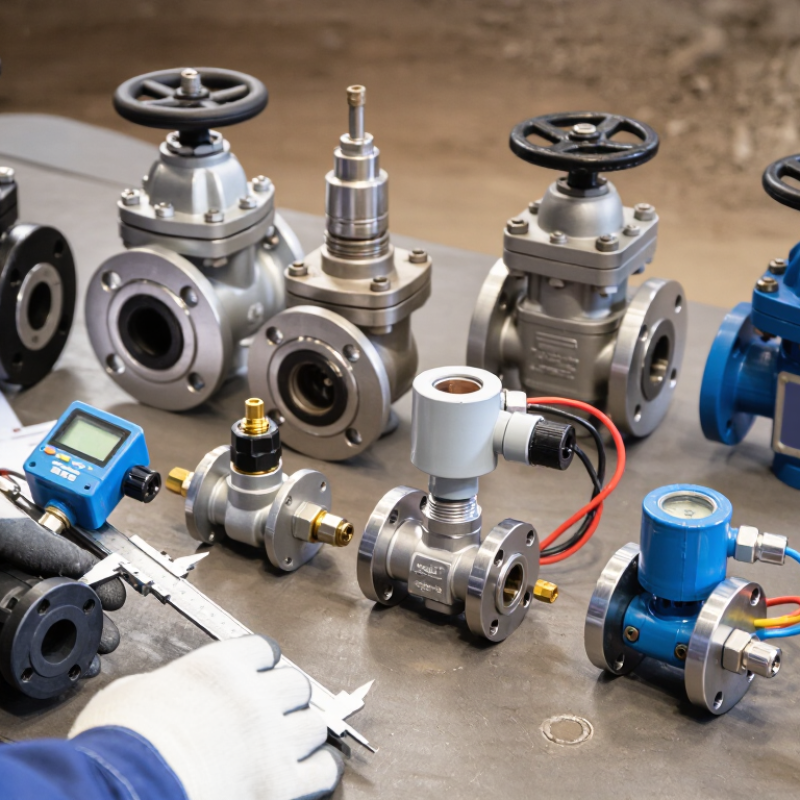
Hydraulic valves control pressurized fluid inside machines. They start, stop, direct, or regulate oil flow. In 2026, buyers face tighter energy targets and more automated equipment. That makes valve selection a system decision, not a catalog exercise. A suitable valve can reduce pressure loss, improve motion control, and protect cylinders from sudden loads. Small errors can become expensive downtime. Real systems are rarely tidy.
Tips: Confirm pressure, flow, fluid type, port size, and operating temperature before ordering. Check response time for automated machinery. Review sealing materials when temperatures change sharply. Measure twice. Also request traceable test records and clear installation instructions. Reliable suppliers should explain performance limits, maintenance needs, and applicable safety standards without vague promises.
From field experience, contamination causes more valve failures than many buyers expect. Clean filtration and correct flushing procedures matter. I have also seen teams choose a valve by maximum pressure alone. That approach can miss flow restrictions, electrical compatibility, or unstable control behavior. It is an imperfect shortcut. Buyers should compare verified data under realistic conditions, including cold starts and repeated cycling. Independent testing, documented quality procedures, and responsive technical support add confidence. Local service capability can matter as much as the initial purchase price. A valve should fit the machine, the operator, and the maintenance plan.
How Hydraulic Valves Are Classified by Function and Design
2026 Top Hydraulic Valves for Global Buyers?
How Hydraulic Valves Are Classified by Function and Design
Hydraulic valves are commonly classified by the job they perform.
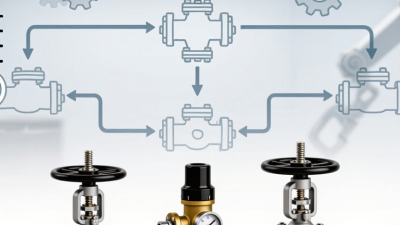
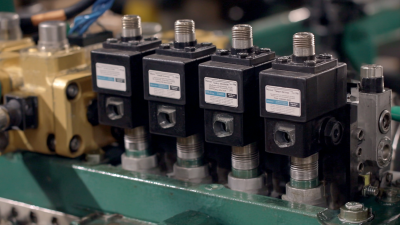
Directional control valves start, stop, or reverse oil flow.
Pressure control valves limit, reduce, or sequence system pressure.
Flow control valves regulate actuator speed by managing volume.
Check valves permit flow in one direction and block reverse movement.
In a mobile machine, this distinction is practical: a boom may need controlled lowering, while a relief valve protects the circuit from sudden overloads.
Design creates another useful classification.
Spool valves use a sliding cylindrical element and suit many directional applications.
Poppet valves provide tight shutoff, which helps reduce leakage during long holding periods.
Cartridge valves fit compact manifolds and support high flow in limited spaces.
Pilot-operated designs handle larger pressure or flow with a smaller control signal.
Proportional and servo valves offer finer adjustment, but they usually demand cleaner oil and more careful commissioning.
A neat classification can mislead. A valve may serve flow control while also providing pressure compensation. During field checks, I look at port size, pressure rating, response time, leakage, temperature range, and contamination tolerance. A compact valve is not automatically efficient. Small internal passages can create noticeable pressure loss, especially near peak flow. Selection should match the cylinder load, pump capacity, control accuracy, and maintenance skills available at the installation site. One overlooked detail remains common: technicians often size the valve from nominal flow alone, then discover unstable motion under changing loads.
Which Hydraulic Valve Types Fit Different Global Applications
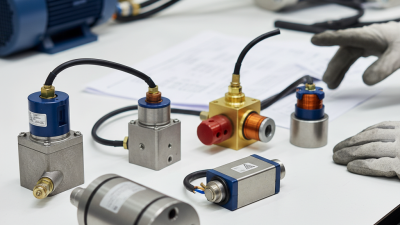
Choosing hydraulic valves for global applications starts with the machine’s movement, pressure, and environment. Directional control valves suit excavators, presses, and mobile platforms requiring reliable cylinder switching. Pressure-relief valves protect circuits from overload. Flow-control valves help regulate actuator speed, especially on lifting equipment. Small differences matter.
MarketsandMarkets’ 2024 Hydraulic Equipment Market report projects growth from about USD 44 billion in 2024 to more than USD 53 billion by 2029. This expansion reflects demand from construction, agriculture, manufacturing, and energy projects. Proportional valves fit machinery needing smooth, adjustable motion, such as injection machines and automated production lines. Servo valves offer finer response, but they demand cleaner oil and tighter maintenance. That trade-off is often underestimated.
Cartridge valves work well in compact manifolds and high-flow systems. Counterbalance valves are useful on cranes and vertical loads because they reduce uncontrolled descent. For outdoor equipment, specify corrosion-resistant materials, suitable seals, and temperature-rated fluids. ISO 4413 guidance supports safer hydraulic system design, but field conditions still decide performance. A valve rated for high pressure may fail early when filtration is poor. Pressure ratings alone can mislead. Selecting by application, contamination level, duty cycle, and local service capability produces a more dependable result.
How to Evaluate Valve Performance, Quality, and Compatibility
2026 Top Hydraulic Valves for Global Buyers?
How to Evaluate Valve Performance, Quality, and Compatibility
A reliable hydraulic valve should match pressure, flow, temperature, and duty cycle requirements. In field inspections, I check response time, leakage, vibration, and connection stability. Test it under working conditions. Pressure stability matters during repeated starts and stops. A valve may perform well on a clean test bench but struggle with warm, contaminated oil. Look beyond catalog ratings.
Request documented test results for pressure, leakage, response time, and cycle life. Confirm the port size, thread type, seal material, and control voltage before ordering. Check whether the valve suits mineral oil, water-based fluid, or another approved medium. For outdoor equipment, examine corrosion resistance and cold-start behavior. Small mismatches create large failures.
Fit matters.
Quality also depends on traceability, inspection records, and consistent production controls. I have seen buyers focus on price while overlooking filtration requirements. That mistake can shorten service life quickly. Independent inspection adds confidence, especially for large shipments. Still, paperwork is not proof of field performance. Compare samples against technical drawings and run a pilot order when possible. No checklist catches everything. Observe how the valve behaves after hours of cycling, not only during the first test.
How Global Buyers Can Compare Suppliers, Standards, and Total Cost
2026 Top Hydraulic Valves for Global Buyers?
Global buyers should compare more than pressure ratings and unit prices. The 2024 MarketsandMarkets Hydraulic Equipment report estimates steady market growth through 2029, driven by construction, agriculture, and industrial automation. That growth increases supplier choice. It also increases comparison risk.
During supplier audits, request pressure-cycle records, material certificates, leakage-test results, and traceable serial numbers. Check whether the valve design follows ISO 4413 safety principles. For North American projects, review applicable NFPA hydraulic requirements. For European installations, confirm conformity documentation and machine-safety obligations. A certificate alone proves little. Test evidence matters more.
Total cost includes freight, filters, seals, installation time, energy use, and downtime. A valve costing 12% less may require tighter filtration or more frequent maintenance. A 2023 industrial fluid-power benchmarking report found that contamination remains a major cause of hydraulic component failure. The exact percentage varies by application and maintenance quality. That limitation should be stated clearly.
Ask suppliers for flow-pressure curves at your actual oil temperature. Compare response time, internal leakage, warranty terms, and spare-part availability. Use the same test conditions for every quotation. Otherwise, the cheapest offer may only look cheaper.
Small details matter. Record currency, Incoterms, inspection fees, and expected service life. Some comparisons remain imperfect because field conditions differ. A careful buyer should document those assumptions, not hide them.




 Send Inquiry


